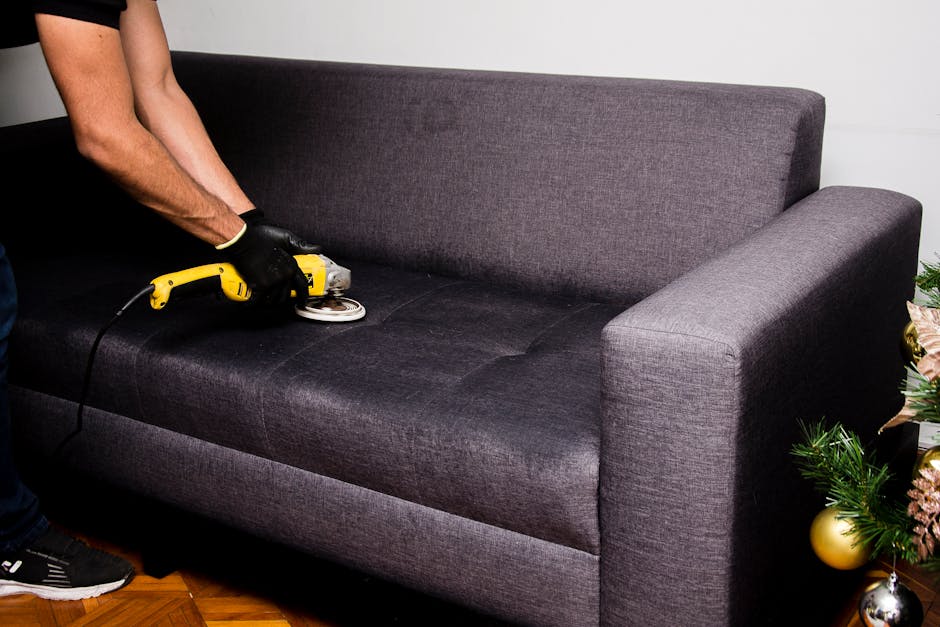
Upholstery cleaning Dulwich near Dulwich Picture Gallery: a practical guide to cleaner, fresher furniture
If your sofa, armchair, or dining chairs are looking a bit tired, you are not alone. Daily life leaves its mark: tea spills, pet hair, muddy sleeves, the odd mystery stain, and that faint stale smell that seems to appear from nowhere. Upholstery cleaning Dulwich near Dulwich Picture Gallery is the kind of service people often search for when they want their furniture to feel fresh again without replacing it. Done properly, it can lift the room, improve comfort, and make your furniture last longer.
This guide explains what upholstery cleaning involves, how it works, what results you can realistically expect, and how to choose the right approach for your fabric and household. I'll also cover common mistakes, a simple checklist, and a few practical points that matter when you are arranging cleaning in a busy part of Dulwich.
Table of Contents
- Why upholstery cleaning matters near Dulwich Picture Gallery
- How upholstery cleaning works
- Key benefits and practical advantages
- Who this is for and when it makes sense
- Step-by-step guidance
- Expert tips for better results
- Common mistakes to avoid
- Tools, resources and recommendations
- Law, compliance, standards, or best practice
- Options, methods, or comparison table
- Case study or real-world example
- Practical checklist
- Conclusion
- Frequently asked questions
Why Upholstery cleaning Dulwich near Dulwich Picture Gallery Matters
Upholstery takes more punishment than most people realise. Unlike a carpet, it is in close contact with skin, hair, sweat, food crumbs, body oils, and airborne dust every single day. In a family home, a rental flat, or a small office near Dulwich Picture Gallery, that buildup slowly changes how furniture looks, smells, and feels. You might not notice it all at once. Then one day the sofa just looks dull. A little flat. A bit grumpy, if furniture can be grumpy.
Regular upholstery cleaning matters because it does more than improve appearance. It helps remove ingrained grime before it starts to wear down fibres, and it can reduce the build-up of allergens trapped inside the fabric and padding. That is especially useful in homes with children, pets, or anyone sensitive to dust. It is also smart if you are preparing for guests, moving home, managing a rental, or getting a room ready after works. For broader home upkeep, many people pair upholstery care with deep cleaning or a more general domestic cleaning routine.
Near Dulwich Picture Gallery, there is also a practical local angle. Homes around this part of South East London often mix older interiors with newer furnishings, and both can benefit from careful treatment rather than aggressive DIY cleaning. The wrong product can leave a watermark, set a stain, or flatten a delicate pile. So yes, the goal is clean furniture. But really, the bigger win is protecting the fabric you already own.
Expert summary: Good upholstery cleaning is not just about removing visible stains. It is about matching the cleaning method to the fabric, controlling moisture, and finishing the job so the furniture dries evenly and stays comfortable to use.
How Upholstery cleaning Dulwich near Dulwich Picture Gallery Works
Professional upholstery cleaning usually follows a measured process. The exact method depends on the furniture type, the textile, and the level of soiling. A sturdy synthetic sofa in a busy family room needs something different from a wool blend chair in a formal sitting room. That is where experience matters.
In a typical service, the cleaner starts with an inspection. They identify the fabric type, test for colourfastness, and look for problem areas like grease marks, pet accidents, drink rings, or pressure dirt along the seat front. This first step matters more than people think. If a cleaner skips it, the rest of the job becomes guesswork.
After that, loose dust and debris are removed. This may involve thorough vacuuming with upholstery tools, including crevice attachments and brush heads that reach down into seams. Then the cleaner applies an appropriate pre-treatment or stain treatment. Products are chosen carefully, because upholstery is not one-size-fits-all. A safe solution for a polyester sofa may be too strong for silk, velvet, or antique fabric.
The main cleaning method is usually one of the following:
- Hot water extraction for many synthetic fabrics and heavier soiling
- Low-moisture cleaning where quicker drying is important
- Dry or specialist cleaning for delicate textiles
- Targeted stain removal for specific marks, such as food, drink, or pet stains
Once the fabric is cleaned, the cleaner removes as much residue and moisture as possible. Controlled drying is essential. Furniture should not be left soggy. That can lead to lingering smells, slow drying, or even fabric distortion. The final stage often includes grooming the fibres so the upholstery dries with a neat finish.
If you want a more complete fabric refresh, upholstery cleaning is often booked alongside sofa cleaning, curtain cleaning, or rug cleaning so the whole room feels lifted rather than only one item.
Key Benefits and Practical Advantages
There are some obvious benefits, and a few that only become clear once the cleaning is done. The obvious one is appearance. A cleaned sofa tends to brighten the whole room. Colours look truer. Arms look less greasy. Cushions stop looking permanently tired.
But the practical advantages run deeper:
- Better hygiene: fabric can hold dust, crumbs, and body oils long after they are visible
- Odour reduction: cleaning can remove trapped smells from pets, spills, and daily use
- Longer furniture life: less embedded grit means less gradual wear
- Improved comfort: soft furnishings feel fresher and less sticky in warm weather
- Better presentation: useful for rentals, home staging, or client-facing spaces
There is also peace of mind. If you have ever tried a DIY spray on a pale chair and then watched the stain spread into a larger pale halo, you'll know what I mean. Professional cleaning reduces that kind of gamble.
For households dealing with a specific spill or lingering pet issue, specialist treatment can help more than a general clean. In those cases, related services such as stain removal and pet stain odour removal may be worth considering as part of the plan.
Who This Is For and When It Makes Sense
Upholstery cleaning is useful for more people than you might expect. It is not only for visibly dirty sofas. In fact, some of the best times to book it are before a problem becomes obvious.
This service makes sense for:
- Families with children, snacks, and the occasional spill
- Pet owners dealing with fur, paw marks, or odours
- Tenants and landlords preparing for inspections or move-outs
- Homeowners refreshing a living room after winter or before guests arrive
- Businesses with waiting areas, reception seating, or meeting room chairs
- Hosts and property managers who need furniture to look clean between bookings
It also makes sense if you are already arranging related work. For example, if the rest of the property needs attention, combining upholstery work with one-off cleaning or regular cleaning can be a sensible way to get the whole place back under control. If the property is being prepared for occupation, people often look at move-in cleaning or move-out cleaning at the same time.
Truth be told, many people wait too long. By the time the fabric looks visibly soiled, dirt has usually settled deeper into the fibres. That does not mean the item is ruined. Not at all. It just means the cleaning needs to be more careful and a bit more targeted.
Step-by-Step Guidance
If you are wondering how a good upholstery clean should be approached, this is the simple version. It helps to know the process, because then you know what good service looks like and what questions to ask.
- Identify the fabric
Check the care label if there is one. If not, a professional inspection is the safest route. Different materials react differently to moisture and chemistry. - Assess stains and wear
Point out any drinks, ink, food marks, pet accidents, or areas that get heavy use. The cleaner may need to pre-treat these separately. - Test a small hidden area
This helps check colourfastness and prevents unpleasant surprises. A tiny test patch can save a lot of trouble. - Vacuum thoroughly
Dust, crumbs, and grit should be removed before wet cleaning begins. Otherwise, you are just turning dry dirt into muddy dirt. - Apply the correct pre-spray or spot treatment
This loosens grime and breaks down stains without flooding the fabric. - Clean using the most suitable method
That could be hot water extraction, low-moisture cleaning, or a specialist technique for delicate fibres. - Extract residue and control drying
Good extraction matters. Too much leftover moisture can leave a smell or cause slow drying. - Finish and inspect
Fibres may be brushed and the item checked for missed marks or any uneven drying.
A lot of the value sits in the details. A cleaner who understands dwell time, fabric sensitivity, and drying conditions will usually deliver a better result than someone who simply sprays and hopes for the best. And yes, furniture can be strangely fussy about it.
Expert Tips for Better Results
Here are a few practical tips that make a real difference.
- Act quickly on spills. Blot, don't rub. Rubbing drives the spill deeper and can rough up the fabric.
- Keep the care label in mind. W or S codes, if present, are there for a reason. They matter.
- Don't saturate the fabric. More water does not mean more clean. Quite the opposite, sometimes.
- Use the right attachment for vacuuming. A soft upholstery head is better than dragging a hard brush across delicate cloth.
- Handle odours at the source. Masking a smell rarely works for long. The source needs proper treatment.
- Plan drying time. On a damp London day, drying may take longer than you expect, especially in a cool room with limited airflow.
One small but useful habit: rotate cushions and vacuum seams every couple of weeks. It is boring, sure, but it keeps dirt from settling in one area and makes deep cleaning more effective when you eventually book it.
If your upholstery sits in a room that also needs broader upkeep, it can be sensible to combine cleaning with steam carpet cleaning or other fabric care to keep the whole space coherent. A freshly cleaned sofa next to a neglected carpet can look a bit odd, frankly.
Common Mistakes to Avoid
Upholstery cleaning sounds simple until it goes wrong. The common mistakes are usually avoidable, which is the annoying part.
- Using the wrong product
Bleach, general-purpose sprays, or strong solvent cleaners can damage fabric or set stains. - Over-wetting the item
This can create slow drying, water rings, or hidden moisture in the padding. - Skipping stain tests
Always test first. A hidden patch test is a small price to pay. - Scrubbing aggressively
Scrubbing can roughen fibres and push the stain deeper. - Ignoring smell problems
Odour often means there is something trapped in the upholstery or backing, not just on the surface. - Forgetting the frame and cushions
Seat backs, under-cushions, and piping collect grime too.
Another mistake is assuming every sofa can be treated the same way. It cannot. A velvet armchair, a linen blend settee, and a synthetic office chair all need different handling. That is the sort of thing that separates careful cleaning from rushed cleaning.
Tools, Resources and Recommendations
You do not need a van full of machinery to maintain upholstery between professional visits, but a few well-chosen tools help a lot. The goal is not to do a full clean yourself every week. It is to keep the fabric in decent shape so deep cleaning goes further when you need it.
- Vacuum with upholstery attachment for routine dust and crumb removal
- Soft brush for lifting dry debris from seams and tufts
- Microfibre cloths for blotting fresh spills
- Plain white towels for controlled pressure on damp spots
- Fabric care label if available, so you know the cleaning limits
- Notebook or phone note to track what the stain was and when it happened
For service planning, useful pages on the Dulwich site include upholstery cleaning for the core service, sofa cleaning for larger seating items, and pricing and quotes if you want to compare options before booking. If you are sorting a property-wide refresh, the broader deep cleaning page may also be helpful.
A practical recommendation: if you have one item with a stubborn stain and the rest of the room is fine, focus on the item first rather than trying to clean everything at once. It is easier to judge the result that way, and less likely to turn into a weekend project that eats the entire afternoon.
Law, Compliance, Standards, or Best Practice
Upholstery cleaning is not heavily regulated in the way some trades are, but good practice still matters. In the UK, reputable cleaners should work carefully with cleaning chemicals, use suitable ventilation, and follow sensible health and safety habits. That means careful dilution, clear identification of products, and care around children, pets, and vulnerable occupants.
Insurance is another sensible checkpoint. If a cleaner is handling your furniture, especially delicate or expensive items, it is reasonable to ask about their insurance and safety. That is not being awkward. It is just normal due diligence.
Where chemicals are used, best practice is to select the mildest effective option, avoid unnecessary residue, and ensure the fabric dries properly. Good operators should also be open about limitations. For example, some stains can be reduced rather than fully removed, and some older items may already have fibre damage, colour loss, or previous DIY treatment marks. Honest guidance beats overpromising every time.
If you are booking a service for a rented property, it is also sensible to keep your paperwork tidy. Terms, payment, and any service expectations should be clear. The site's terms and conditions and payment and security pages are useful places to check for that kind of information. Not glamorous, but helpful.
Options, Methods, or Comparison Table
Different upholstery fabrics and situations call for different approaches. Here is a simple comparison to help you understand the trade-offs.
| Method | Best for | Pros | Watch-outs |
|---|---|---|---|
| Hot water extraction | Many synthetic sofas and heavy soil | Deep clean, strong soil removal, good for embedded dirt | Needs careful drying; not ideal for all delicate fabrics |
| Low-moisture cleaning | Furniture that needs quicker turnaround | Faster drying, less saturation | May be less aggressive on deep grime |
| Specialist dry cleaning | Delicate or moisture-sensitive fabrics | Reduced water exposure, safer for some textiles | Not suitable for every stain type |
| Targeted stain treatment | Specific marks such as food, drink, or pet stains | Focused, efficient, often used alongside full cleaning | Results depend on stain age and fabric type |
The right choice depends on the item, not the label on the bottle. A sofa in a bright family room with curry marks is a different job from a decorative chair in a quiet hallway. If a cleaner explains why they are choosing a particular method, that is usually a good sign.
Case Study or Real-World Example
A Dulwich household contacted a cleaner about a two-seater sofa that had become dull over time. The family had a dog, two children, and the usual small but relentless collection of snack crumbs. Nothing dramatic, just the kind of everyday wear that creeps up on you. The sofa was still structurally fine, but the arms looked shiny and the seat cushions held a faint smell after warm days.
The cleaner inspected the fabric, checked a hidden patch, and found that the material could handle low-moisture treatment with targeted stain work on the arm rests. After careful vacuuming and pre-treatment, the sofa was cleaned in sections and allowed to dry with good airflow. The result was not theatrical, and that is worth saying. It did not look brand new. But the fabric looked brighter, the odour was reduced, and the room felt less heavy. The family did not need to replace the sofa, which was the actual goal.
That sort of outcome is very common. The best jobs are often the quiet ones. No drama. Just a cleaner, fresher room and furniture that has a bit more life in it.
Practical Checklist
Use this quick checklist before and after your upholstery clean.
- Identify the item and note the fabric type if known
- Point out all stains, odours, and worn areas
- Remove cushions, throws, and loose items from the furniture
- Vacuum the area around the sofa or chair first
- Ask what cleaning method is most suitable
- Confirm drying guidance before the work begins
- Keep children and pets away while the item dries
- Open windows or improve airflow where practical
- Blot fresh marks quickly rather than rubbing them
- Schedule regular maintenance rather than waiting years between cleans
Key takeaway: if you remember only one thing, make it this: the best upholstery cleaning combines the right method, careful stain assessment, and proper drying. That trio matters more than any flashy product claim.
Conclusion
Upholstery cleaning Dulwich near Dulwich Picture Gallery is about more than tidy furniture. It is about protecting the things you use every day, keeping your home or business looking cared for, and dealing with dirt before it becomes a bigger problem. Whether you are refreshing a favourite sofa, preparing a rental, or sorting out a stubborn stain that has been bothering you for months, the right approach can make a real difference.
In a local area where homes and lifestyles vary so much, the smartest move is usually a careful one: choose the right method, ask sensible questions, and do not rush the drying stage. Simple, really. Well, simple once you know what to look for.
Get a free quote today and see how much you can save.
And if you are still deciding, that is fine too. A thoughtful clean now can save a lot of hassle later, and your furniture will probably thank you in its own quiet, non-verbal way.
Frequently Asked Questions
How often should upholstery be professionally cleaned?
Most homes benefit from professional upholstery cleaning every 12 to 24 months, but busy households, pet owners, and homes with children may need it more often. If a sofa gets heavy daily use, it usually shows long before the rest of the room does.
Can all upholstery fabrics be steam cleaned?
No. Some fabrics can handle hot water extraction or steam-style methods, while delicate textiles need lower moisture or specialist care. Always check the fabric type first. If you are unsure, get the item inspected before any cleaning starts.
Will upholstery cleaning remove old stains?
Sometimes, yes, but not always completely. Stain age, the fabric type, and previous DIY treatment all affect the result. Fresh marks are usually easier to improve. Old stains may fade significantly rather than disappear entirely.
How long does upholstery take to dry?
Drying time depends on the fabric, the method used, the room temperature, and airflow. Some items dry fairly quickly, while others need several hours or longer. On a cool or damp day, it can take a little patience. Annoying, but normal.
Is upholstery cleaning safe for pets and children?
It can be, provided suitable products are used and the furniture is allowed to dry properly before use. It is sensible to keep children and pets away during cleaning and drying, especially if the item has been treated with stain remover.
What is the difference between sofa cleaning and upholstery cleaning?
Sofa cleaning is a subset of upholstery cleaning. Upholstery cleaning covers chairs, benches, headboards, dining seating, and other soft furnishings, while sofa cleaning focuses on settees and couches.
Can upholstery cleaning help with smells?
Yes, especially if the smell comes from trapped dirt, spills, or light pet odours. If the odour is severe or comes from deep contamination, more targeted treatment may be needed. It is always better to treat the source than to mask it.
Should I vacuum upholstery before a cleaner arrives?
If you can, yes. A quick vacuum makes the job easier and more effective. That said, a professional will still carry out a proper pre-clean inspection and vacuuming step, so don't stress if you do not get to it.
What should I do if I spill something on the sofa?
Blot the spill gently with a clean cloth or towel. Do not scrub. If needed, use plain water sparingly, but avoid soaking the fabric. If the stain is stubborn, leave it and ask for advice rather than trying five random products from the cupboard.
Is upholstery cleaning worth it for older furniture?
Often, yes. Older furniture can respond very well to careful cleaning, especially if the frame and fabric are still in good condition. It may not look new, but it can look fresher, cleaner, and much more presentable.
Can upholstery cleaning be combined with other services?
Absolutely. Many people combine it with carpet, rug, or general home cleaning to make the whole room feel refreshed. If you are moving or handing back a property, related services like end of tenancy cleaning can also make sense.
How do I know if a cleaner is trustworthy?
Look for clear explanations of the cleaning process, sensible expectations about results, and straightforward information about safety, payment, and complaints. A professional should be happy to explain how they will treat your fabric and what they need from you beforehand.