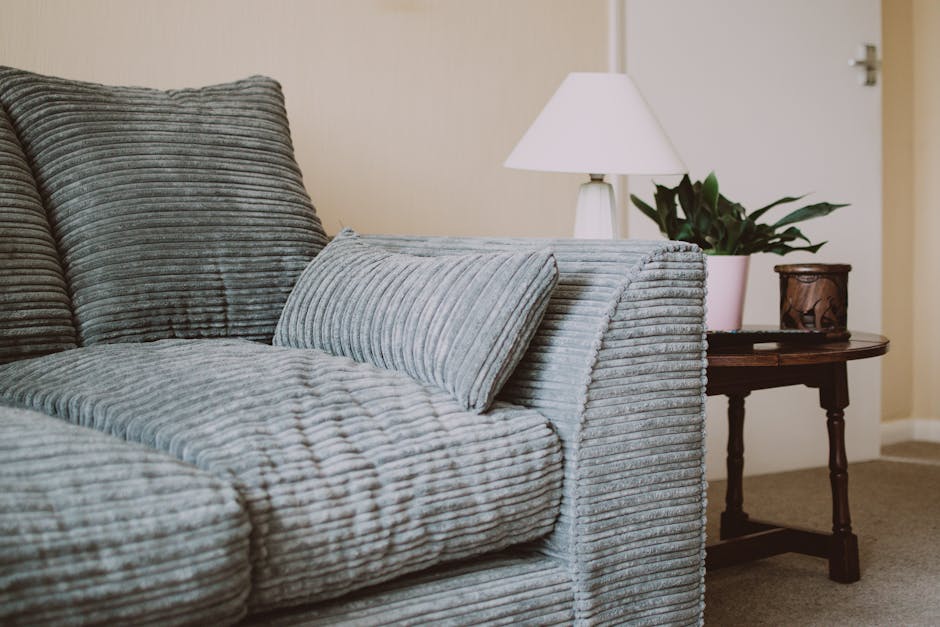
Sofa cleaning West Dulwich station area guide
If your sofa is looking a bit tired, holding onto odours, or showing up every crumb and spill like it has a grudge, you are not alone. This Sofa cleaning West Dulwich station area guide is here to help you work out what actually matters: how professional sofa cleaning works, what to expect, how to prepare, and how to choose the right approach for your fabric, your home, and your schedule. In a busy London setting, a sofa can pick up more than dust - think commuter grime, pet hair, takeaway stains, and the odd coffee mishap that seemed small at 8 a.m. and looks much worse by tea time.
We will keep it practical. You will get a clear step-by-step process, a comparison of cleaning methods, realistic tips for different sofa types, and a checklist you can actually use. If you want a deeper service overview alongside this guide, you may also find the dedicated sofa cleaning service page and upholstery cleaning information useful for context.
Quick expert summary: the best sofa cleaning approach depends on the fabric, the level of soiling, and whether you are dealing with stains, odours, allergens, or general refresh work. Done properly, it can restore appearance, improve comfort, and help your furniture last longer. Done badly, it can leave marks, shrinkage, or lingering damp. Bit of a headache, that.
Why Sofa cleaning West Dulwich station area guide Matters
Sofas are high-contact pieces of furniture. They collect skin oils, dust, crumbs, pet dander, pollen, and everyday spillages. In homes near transport links and busy local streets, that build-up can be more noticeable than people expect. Even if the sofa looks "fine" from a distance, the fabric can hold onto grime that changes how it smells and feels.
Why does that matter? For one thing, comfort. A clean sofa simply feels better to use. But there is also a practical side. Regular cleaning can help maintain fabric appearance, reduce visible staining, and slow the dulling effect that happens over time. If you have a rental property, a guest let, or a family home with children and pets, it becomes even more relevant. You do not want a small stain turning into a permanent patch, or a light fabric becoming patchy after an at-home experiment with the wrong product.
There is also the matter of expectations. Many people assume sofa cleaning is just "spray and wipe". It usually is not. Upholstery fabrics vary a lot, and the wrong moisture level or detergent can leave tide marks, scent residue, or texture damage. The point of this guide is to make those differences clear so you can make a sensible call, not a rushed one.
Practical takeaway: if your sofa is used daily, has visible traffic marking, or carries odours you cannot shift with vacuuming, it is usually time to consider a proper upholstery clean rather than another surface wipe-down.
For anyone comparing related services, it can also help to look at broader fabric and fibre care options such as carpet cleaning, rug cleaning, or curtain cleaning, especially if you are refreshing more than one room at the same time.
How Sofa cleaning West Dulwich station area guide Works
A proper sofa clean starts with identifying the fabric and the type of soiling. That sounds basic, but it is the part people skip most often. Cotton blends, synthetics, velvet, wool-rich fabrics, and leather alternatives all behave differently. A good cleaner will usually inspect care labels, test a small hidden area, and decide on the right method from there.
In broad terms, professional sofa cleaning often follows a pattern:
- Inspection and fibre check. The cleaner looks at fabric type, seam condition, stains, fading, and any sensitive areas.
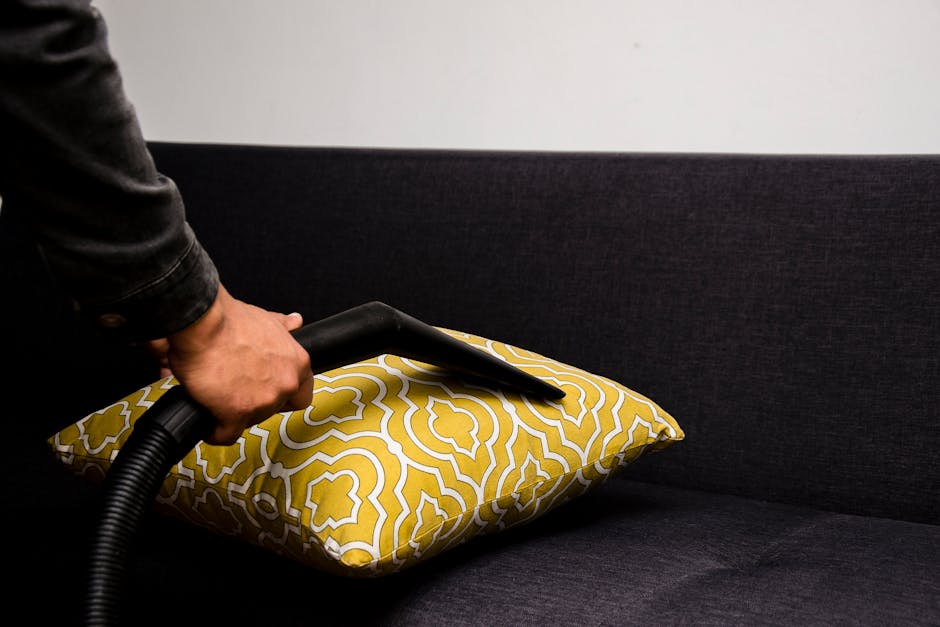
- Dry soil removal. Loose dust, hair, and grit are removed first, usually with detailed vacuuming.
- Pre-treatment. Stains and traffic marks are treated with suitable solutions chosen for the fibre and the contamination.
- Cleaning method. This might be hot water extraction, low-moisture cleaning, foam cleaning, or a careful specialist process.
- Rinse or residue control. The aim is to avoid detergent build-up that attracts dirt later.
- Drying and finishing. The fabric is left to dry properly, sometimes with airflow support, and the pile may be groomed where relevant.
The exact method matters. For example, hot water extraction can be effective for deeper cleaning on suitable fabrics, but it is not ideal for every upholstery type. A delicate fabric may need a lower-moisture approach, because too much water can lead to distortion or long drying times. And nobody wants a sofa that smells faintly damp for two days. Been there, not pleasant.
If you are trying to understand the difference between a targeted sofa clean and a broader fabric refresh, the page on stain removal may also help, especially if your main concern is one or two problem marks rather than the whole piece.
Key Benefits and Practical Advantages
There are several reasons people arrange sofa cleaning, and the best ones are usually practical rather than cosmetic alone.
- Better appearance: Colours look fresher, marks soften, and the fabric stops looking flat or greasy.
- Improved hygiene: Removing embedded dust and debris can make the room feel cleaner overall.
- Odour reduction: Everyday smells from food, pets, or general use are less likely to linger.
- Longer furniture life: Dirt particles rub against fibres over time, so removing them can help preserve the upholstery.
- More comfortable living space: A clean sofa changes how a room feels. Simple as that.
- Better support for tenants and hosts: If you need a property to look its best, a clean sofa can make a noticeable difference.
There is a subtler benefit too: confidence. People relax more when they know the furniture they are sitting on is properly cared for. That may sound small, but in day-to-day life, it is not really small at all.
For homes with pets, a service such as pet stain and odour removal can be especially useful if you are dealing with recurring smells or old accidents that have soaked below the surface. And if the whole property needs attention, a broader deep cleaning service may be a smarter option than tackling one item at a time.
Who This Is For and When It Makes Sense
This guide is for anyone who wants to keep a sofa in good condition without guessing their way through the job. That includes homeowners, renters, landlords, Airbnb hosts, office managers, and busy families. It is also useful if you are just not sure whether your sofa needs a light refresh, a stain treatment, or a full professional clean.
It tends to make sense to book sofa cleaning when you notice any of the following:
- the fabric looks dulled in the main seating areas
- you can see food or drink marks that have settled in
- there is a lingering smell, especially after pets or smoke exposure
- allergy symptoms seem worse in the room
- the sofa has not been cleaned for a long time
- you are preparing for guests, a move, or a property inspection
For rental and move-related situations, sofa cleaning is often part of a broader clean-up rather than a standalone task. If you are preparing a property for handover, related services like move out cleaning and end of tenancy cleaning can sit naturally alongside upholstery care. If you are arriving somewhere new, move in cleaning can set the place up properly from day one.
And yes, sometimes it is just about feel. You sit down on a Sunday morning, see the marks in daylight, and think, right, this needs sorting. Fair enough.
Step-by-Step Guidance
Here is the practical version. If you want to understand what a good sofa cleaning process looks like from start to finish, this is the order that usually makes sense.
1. Check the fabric and care label
The care label gives the safest starting point. It may indicate whether the fabric can take water-based cleaning, solvent-based cleaning, or only specialist treatment. If you are unsure, do not guess. A small wrong decision can lead to bigger damage than the original stain.
2. Identify the real problem
Is it general grime, a coffee stain, an odour, pet hair, or something structural like flattened pile? The answer changes the method. A lot of people treat all marks the same way, and that is where mistakes begin.
3. Vacuum thoroughly
This is not optional. Loose grit and debris need to come out first. Otherwise you can smear dirt around and create muddy marks. Use crevice tools where needed, especially under cushions and in seams.
4. Spot-test any product
Even mild cleaners can react badly with some fabrics. A hidden area test gives you warning before you commit to the main surface. Good professionals do this as standard, and you should too if you are cleaning yourself.
5. Treat stains before the full clean
Stains usually need targeted pre-treatment. Coffee, wine, grease, ink, and pet accidents all behave differently. For older marks, expect some reduction rather than magic. Truth be told, a stain that has aged for months is rarely as obedient as we would like.
6. Clean with the right moisture level
Use the least aggressive method that will still do the job. Too much liquid can cause long drying times, shrinkage, or watermarking. Too little may only shift surface dirt and leave the deeper problem untouched.
7. Dry properly
Drying matters as much as cleaning. Keep air moving where possible, open windows if sensible, and avoid sitting on the sofa too soon. If the fabric is still damp, it can pick up shape marks or smell musty. Nobody wants that on a Monday morning.
8. Finish and inspect
Once dry, check for any remaining spots, raised fibres, or odour traces. Sometimes a second pass on a small section is more effective than making the whole area wetter again.
Expert Tips for Better Results
A few small habits make a big difference. They are not glamorous, but they work.
- Clean spillages early. Fresh stains are usually easier to treat than set-in ones.
- Use gentle blotting, not rubbing. Rubbing pushes the spill deeper and can rough up the fabric.
- Rotate cushions. That helps even out wear, especially on family sofas.
- Vacuum weekly. Or at least often enough that grit does not build up in seams and folds.
- Keep pets off just-cleaned areas until dry. It sounds obvious, but the temptation is always there.
- Ask about fabric suitability before choosing a method. A cleaner should be able to explain why one approach is better than another.
One useful real-world tip: if your sofa has both visible marks and a general stale smell, treat the smell as part of the cleaning job, not an afterthought. Odours often sit deeper than the stain you can see.
For heavier fabric care needs, consider pairing sofa cleaning with mattress cleaning or steam carpet cleaning if the whole room needs a reset. The room tends to feel fresher when the soft furnishings are cleaned together. Little things add up.
Common Mistakes to Avoid
Most upholstery problems happen because someone tries to move too fast. The sofa is stained, the deadline feels urgent, and the first bottle under the sink looks promising. That is understandable, but risky.
- Using too much water: Over-wetting can leave marks and prolonged damp.
- Scrubbing aggressively: This can distort the pile or spread the stain.
- Skipping the vacuum stage: Dirt left in the fabric can turn into slurry.
- Using the wrong chemical for the fabric: Some materials react badly to harsh cleaning agents.
- Cleaning only the stain, not the surrounding area: That can leave a visible ring or patch.
- Ignoring drying time: A sofa that feels only "slightly damp" can still be vulnerable.
Another common one: assuming a stain is gone because it looks lighter while wet. Some marks only show fully after drying. Annoying, yes. Common, also yes.
If you are dealing with a stubborn patch that resists normal treatment, it may be worth looking at a service specifically focused on stain removal rather than a general refresh. Different problems need different tools.
Tools, Resources and Recommendations
You do not need a giant kit to care for a sofa properly, but the right basics help.
| Item | Why it helps | Good for |
|---|---|---|
| Vacuum with upholstery attachment | Removes dust, crumbs, hair, and grit | Routine maintenance |
| Soft brush | Lifts surface debris without roughing fabric | Gentle pre-clean prep |
| Clean microfibre cloths | Useful for blotting and controlled spot work | Spills and light marks |
| Fabric-safe upholstery cleaner | Targets marks without unnecessary harshness | Spot treatment |
| Dry towels | Helps control moisture | After cleaning and blotting |
| Airflow or fan | Speeds up safe drying | Post-clean finishing |
For larger homes or more complicated upholstery, a professional cleaner's equipment can make a real difference. Specialist machines control moisture more precisely and can extract more residue than a standard household tool. That matters if you want a cleaner finish without upsetting the fabric.
If you are comparing broader domestic help too, related pages like domestic cleaning, house cleaning, and one off cleaning may be useful, especially if the sofa clean is part of a bigger home reset.
Law, Compliance, Standards, or Best Practice
For sofa cleaning, the main concern is less about formal regulation and more about sensible UK best practice. That means using products safely, following manufacturer instructions, checking fabric care labels, and avoiding damage to furnishings or surrounding surfaces. If a company is working in your home, you should expect basic care around safety, insurance, and clear communication about the method being used.
Good practice also includes:
- testing products before full application
- explaining what is suitable for the fabric
- being cautious with moisture on delicate upholstery
- identifying pre-existing wear or colour fade before starting
- handling any chemical products responsibly
If you are choosing a provider, it is fair to ask how they manage safety and whether they are insured. You can also review practical company information such as insurance and safety, health and safety policy, and terms and conditions. Those pages do not clean a sofa, obviously, but they do help you judge professionalism.
For customers who prefer clear pricing, a page like pricing and quotes can help you understand how estimates are typically handled. It is usually better to ask questions early than to assume everything is included. Saves everyone a bit of back-and-forth.
Options, Methods, or Comparison Table
There is no single "best" upholstery method. The right choice depends on the fabric and the problem. Here is a straightforward comparison.
| Method | Best for | Pros | Watch-outs |
|---|---|---|---|
| Hot water extraction | Durable fabrics with deeper soiling | Strong soil removal, good for many general cleans | Not suitable for all fabrics; drying time matters |
| Low-moisture cleaning | Sofas needing a quicker turnaround | Faster drying, less saturation | May need more careful stain treatment |
| Foam or foam-assisted cleaning | Delicate or lightly soiled upholstery | Controlled application, gentler feel | Less effective on very deep contamination |
| Specialist stain treatment | Single problem spots | Targets visible marks efficiently | Often best as part of a wider clean |
If you are unsure which method fits your sofa, that is completely normal. A decent cleaner should be able to explain the reasoning in plain English. If the explanation sounds vague or rushed, that is a clue in itself.
Case Study or Real-World Example
A realistic example: a family sofa in a front room used every evening, with a pale fabric and visible armrest marking. Over time, the seating area had become darker than the rest of the sofa, and a small juice spill from months earlier had left a faint ring. There was also a slightly stale smell, not strong, but noticeable when you sat down close to the cushions.
The sensible approach was not to attack the stain directly with one product. First, the sofa was vacuumed thoroughly, especially around cushion seams. Next, the older ring stain was treated carefully, with testing on a hidden patch first. The cleaner then used a fabric-appropriate method with controlled moisture, followed by proper drying time. The result was not "brand new" - that would be unrealistic - but the fabric looked fresher, the seating area blended better, and the smell was much reduced.
The important lesson? The success came from sequence, not force. Right prep. Right method. Right drying. That is usually the difference between a decent outcome and a messy one.
For homes or landlords handling multiple priorities at once, sofa cleaning can fit alongside broader services like move in cleaning, move out cleaning, or end of tenancy cleaning. That keeps the work joined up instead of piecemeal.
Practical Checklist
Use this before you book or attempt a sofa clean yourself.
- Check the fabric care label.
- Identify the main issue: stains, odours, dust, or general dullness.
- Vacuum the sofa thoroughly, including seams and cushions.
- Spot-test any cleaner on a hidden area.
- Confirm whether the fabric needs a low-moisture or specialist method.
- Ask how long drying is likely to take.
- Keep pets and children off the sofa while it dries.
- Inspect the sofa once dry for any remaining marks or patches.
- Consider cleaning nearby soft furnishings too if the room feels generally tired.
- Save the provider's care notes or instructions for future reference.
This checklist sounds simple, and that is exactly why it works. Most avoidable mistakes happen before the actual cleaning starts.
Conclusion
A good sofa clean is less about flashy products and more about careful judgement. The fabric type matters. The drying time matters. The stain history matters. And the method matters quite a lot, to be honest. If you take one thing from this guide, let it be this: do not treat all sofas the same. A careful approach gives better results and protects your furniture from avoidable damage.
Whether you are refreshing a well-loved family sofa, preparing a rental property, or trying to rescue one stubborn armrest mark, the smartest move is usually to start with the fabric, then match the cleaning method to the problem. Small decision, big difference.
If you are ready to move from research to action, you can explore the relevant service details on the sofa cleaning service page and then compare it with upholstery cleaning if you need a broader fabric refresh.
Get a free quote today and see how much you can save.
Sometimes the cleanest room is the one that quietly changes how the whole day feels. That is worth sorting.
Frequently Asked Questions
How often should a sofa be professionally cleaned?
It depends on use. A busy family sofa, or one with pets, usually benefits from more regular attention than a lightly used spare-room piece. If you notice dulling, odours, or visible soiling, that is often the better guide than the calendar alone.
Can I clean a sofa myself with supermarket products?
Sometimes, yes - for small fresh spills on suitable fabrics. But the risk is using the wrong product or too much moisture. If the fabric is delicate, expensive, or already badly marked, a professional approach is usually safer.
What is the difference between sofa cleaning and upholstery cleaning?
Sofa cleaning is specific to sofas and settees. Upholstery cleaning is broader and can include chairs, dining seating, footstools, and other fabric-covered furniture. The cleaning principles are similar, but the item shape and fabric type can change the process.
Will sofa cleaning remove old stains completely?
Not always. Older stains may improve a lot, but complete removal is not guaranteed. Age, fabric type, and what caused the stain all affect the result. A good cleaner should be clear about that before starting.
How long does a sofa take to dry after cleaning?
Drying time depends on the method used, the fabric, room airflow, and how much cleaning was needed. Low-moisture methods usually dry faster, while wetter processes may take longer. It is best not to use the sofa until it is fully dry.
Is steam cleaning safe for all sofas?
No, not for all sofas. "Steam cleaning" is often used loosely, but upholstery needs the right method for the fibre. Some materials do not tolerate high moisture or heat well, so fabric checks matter before any cleaning starts.
Can sofa cleaning help with allergies?
It may help reduce dust, pet dander, and other debris trapped in the fabric, which can make a room feel fresher. That said, it is not a medical treatment, and results will vary depending on the fabric and the level of build-up.
Should I clean the whole sofa or just the stain?
Usually the whole relevant panel, seat section, or piece is treated rather than a tiny spot alone. Cleaning only one mark can leave a visible ring or uneven finish. A more even approach normally looks better.
What should I do before the cleaner arrives?
Clear small items off the sofa, move clutter away from the area, and let the cleaner know about any specific stains, odours, or delicate fabric concerns. If access is awkward, say so early. It saves time, and sometimes a bit of stress too.
Is sofa cleaning worth it for rental properties?
Yes, often it is. A clean sofa can improve first impressions, support tenancy handover standards, and reduce the need for furniture replacement. For landlords and hosts, it is usually a sensible maintenance spend rather than a cosmetic extra.
Can pet odours come out of a sofa?
Often they can be reduced significantly, especially if treated properly and not left for too long. Deep-set odours, though, may need specialist treatment. Combining general sofa cleaning with pet stain odour removal can make sense when the issue is persistent.
How do I know if my sofa fabric is safe to clean with water?
Check the care label first. If that is unclear, or if the fabric is delicate, worn, or previously damaged, it is better to test carefully or ask a professional. Guessing is rarely the winning move here.
What other services are useful alongside sofa cleaning?
If the room or property needs a broader refresh, services like carpet cleaning, curtain cleaning, and one off cleaning can complement sofa cleaning well. That way, the whole space feels more balanced, not just one item.